

Our mission
To permanently protect and steward ecologically significant lands and natural habitats throughout the Niagara Peninsula

Our Vision
To see the Niagara Peninsula recognized as one of Canada’s most naturally dynamic landscapes, where forests, wetlands, and vital ecological corridors are protected and the Region’s unique flora and fauna thrive in perpetuity.

Worth Protecting
Natural niagara
The Niagara Peninsula boasts many natural wonders – several unique in the province – including:
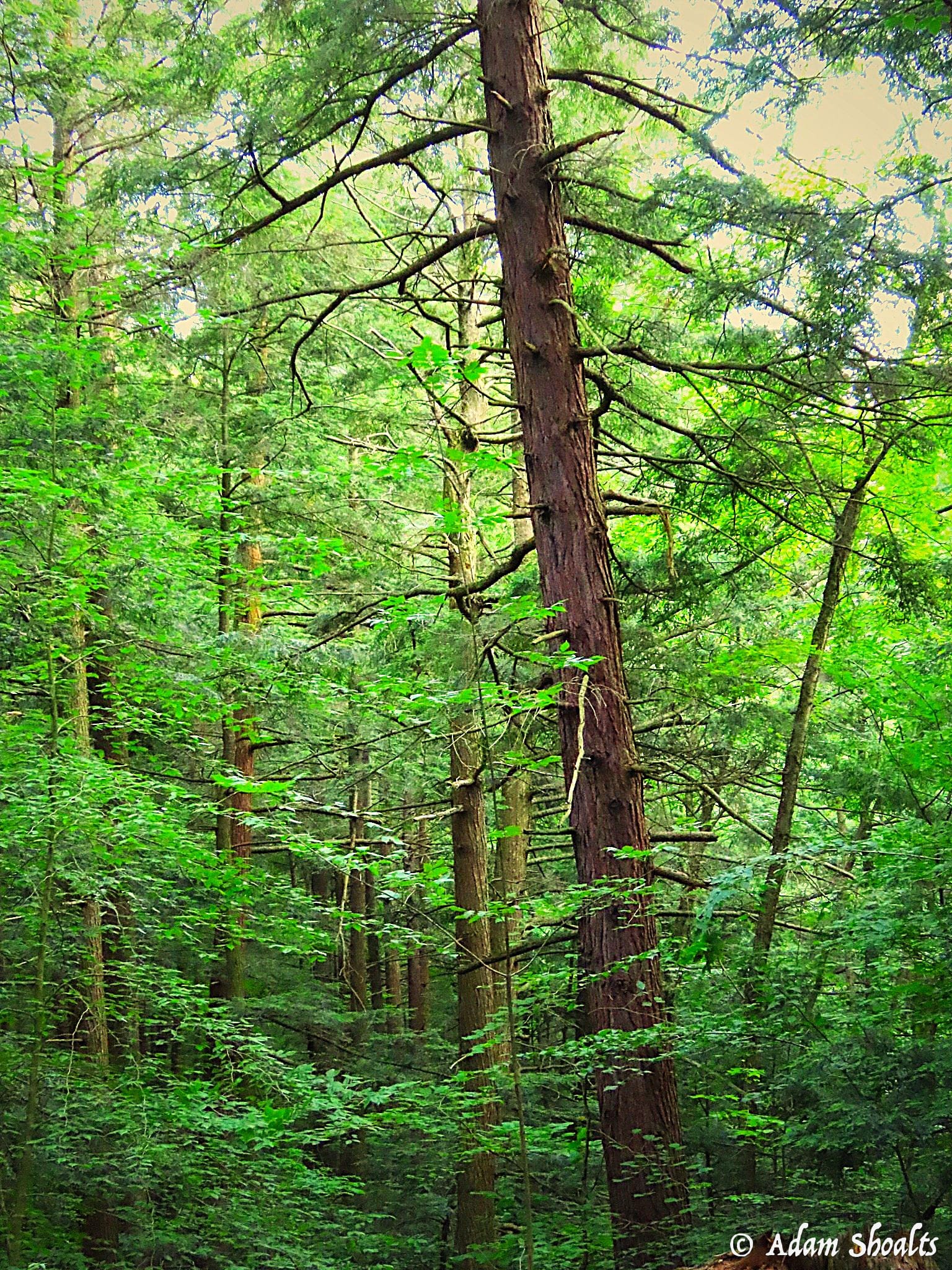
Canada’s rarest forest ecosystem — and its most biodiverse. Niagara still contains rare old-growth Carolinian forest, including what may be the oldest hardwood trees in the country.
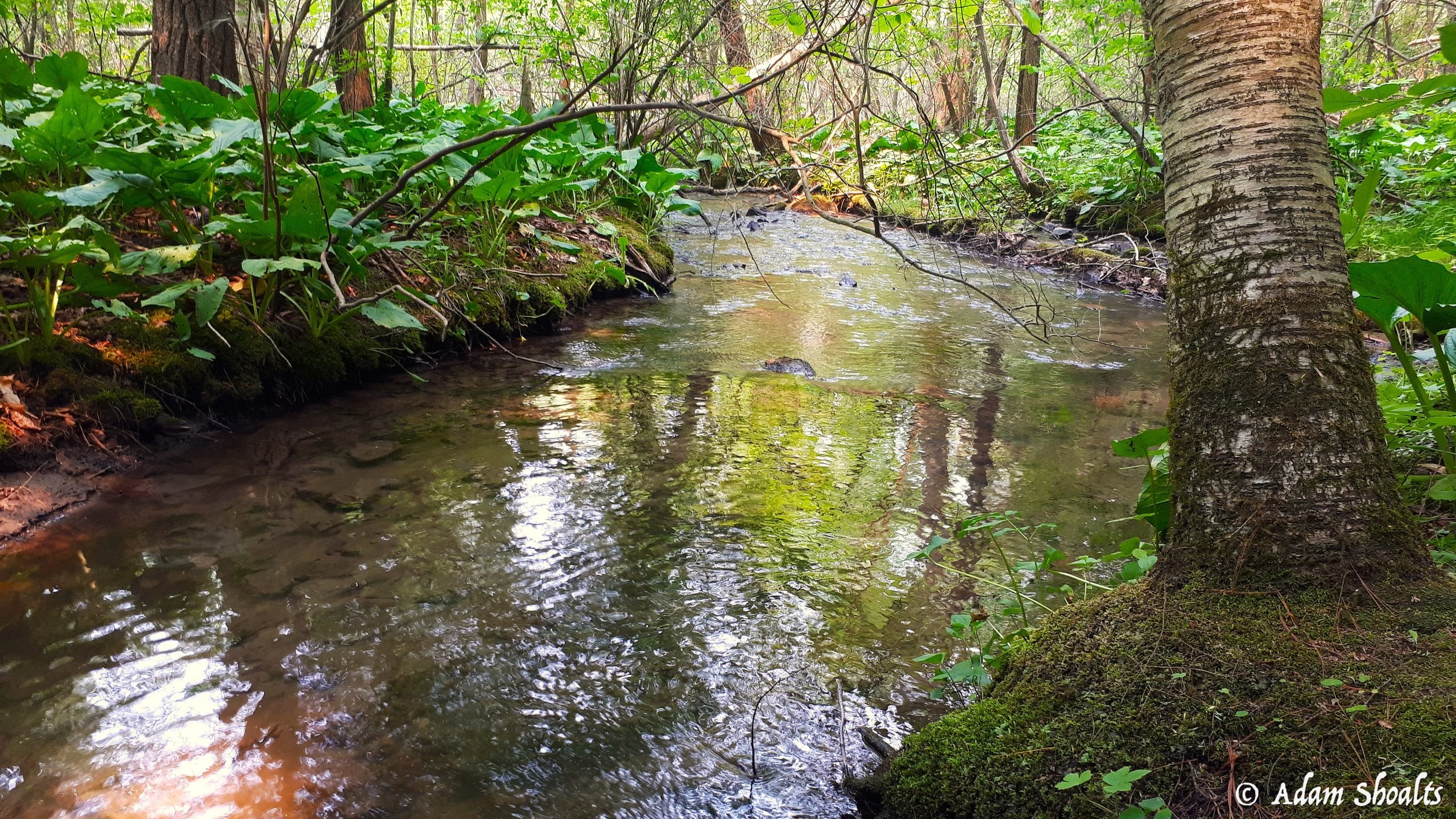
One of the last remaining cold-water, spring-fed streams in southern Ontario, supporting native brook trout populations.
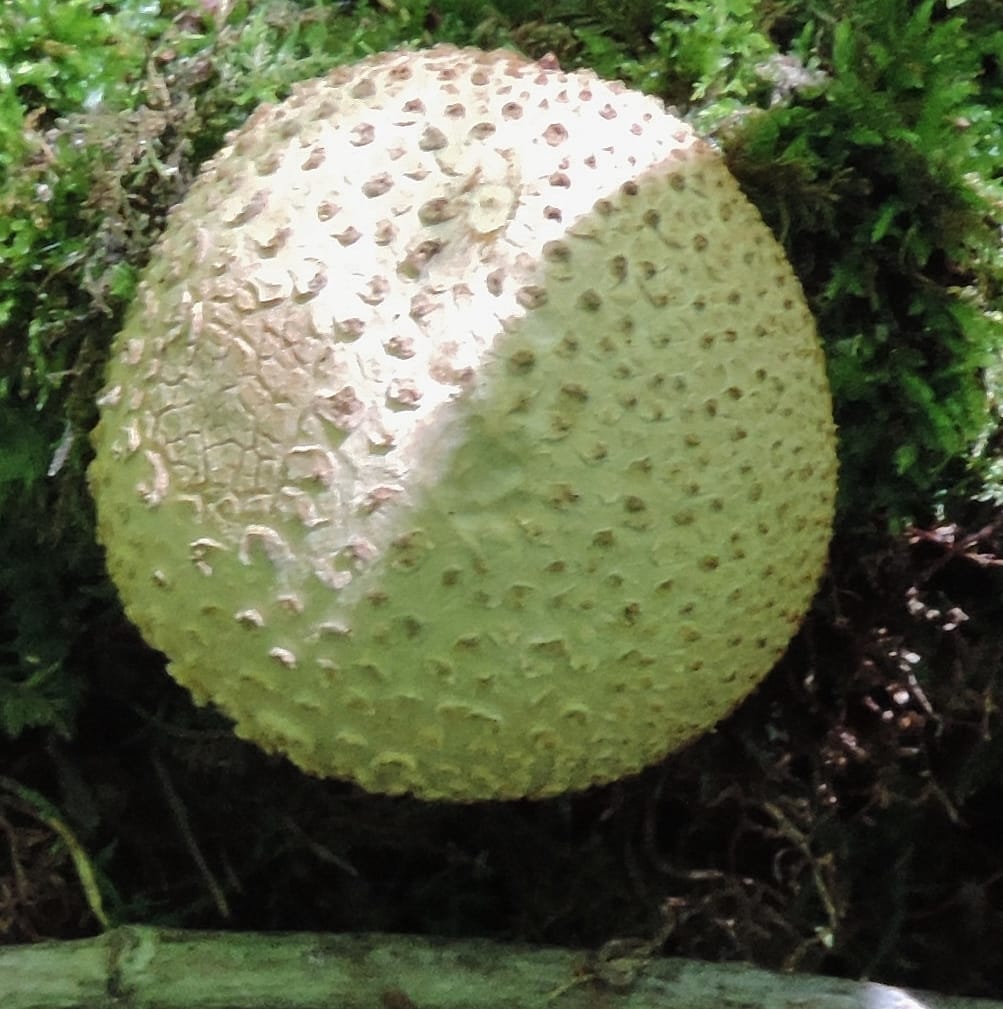
Two of the region’s most ecologically important landscapes, both home to rare and endangered species.
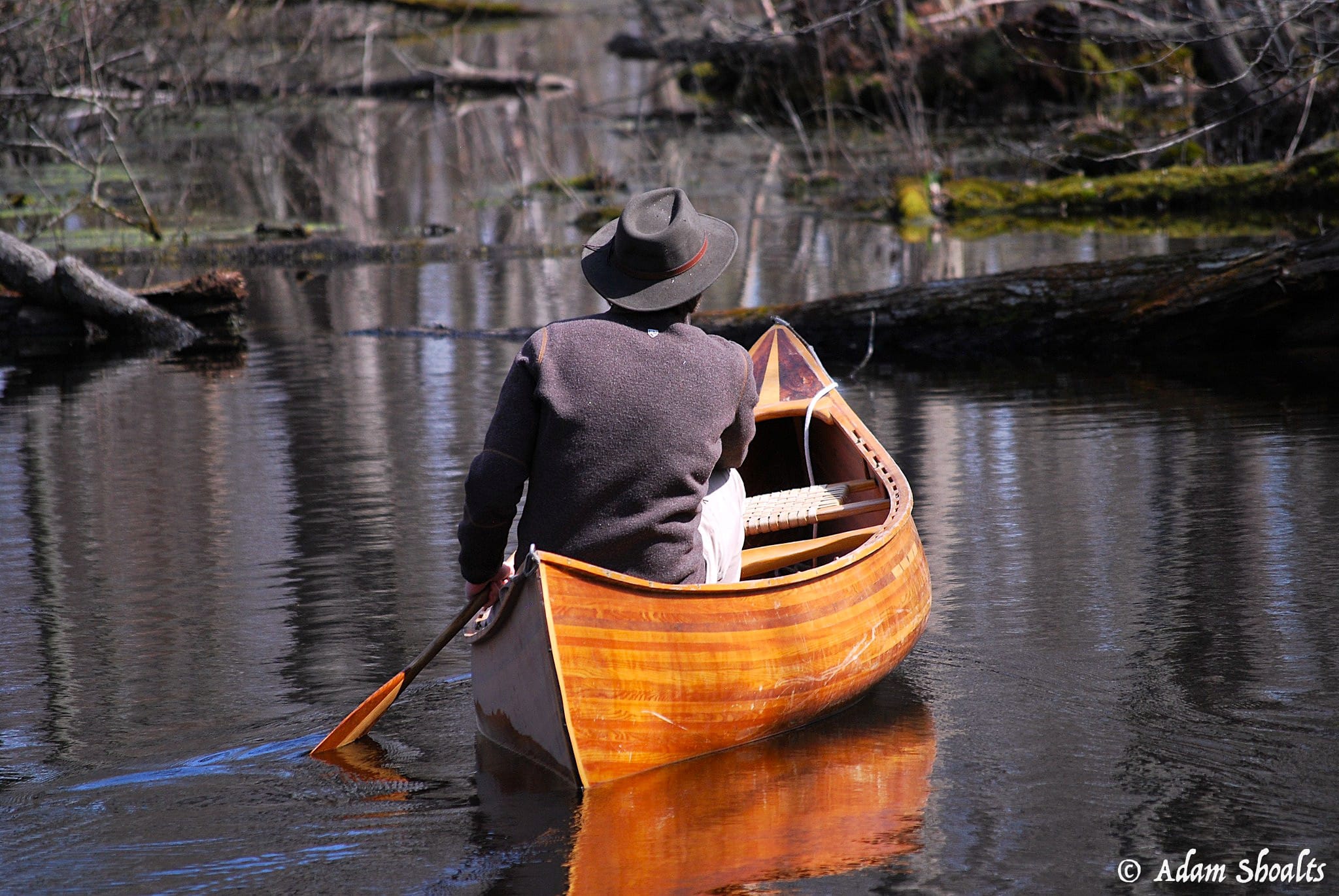
Situated between two Great Lakes and the world-renowned Niagara River, the region is defined by the Niagara Escarpment and the Bruce Trail running through the heart of the peninsula.
The Escarpment is recognized as a UNESCO World Biosphere Reserve.
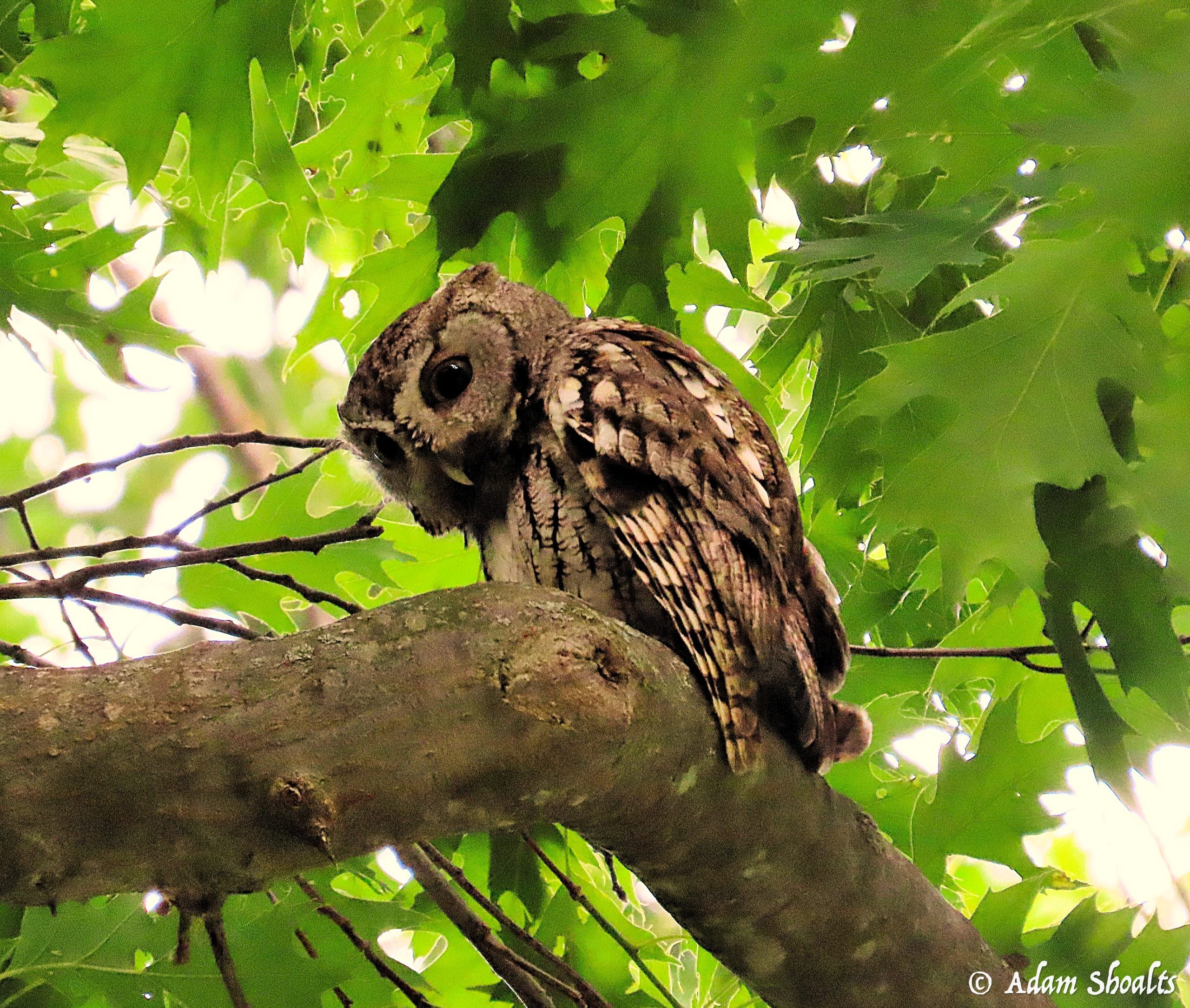
Niagara supports many rare and at-risk species, including barred owls, eastern screech owls, Lake Erie watersnakes, eastern spiny softshell turtles, eastern fox snakes, prothonotary warblers, and the endangered Karner blue butterfly.
Niagara Falls also hosts one of the world’s largest and most diverse winter gull concentrations.
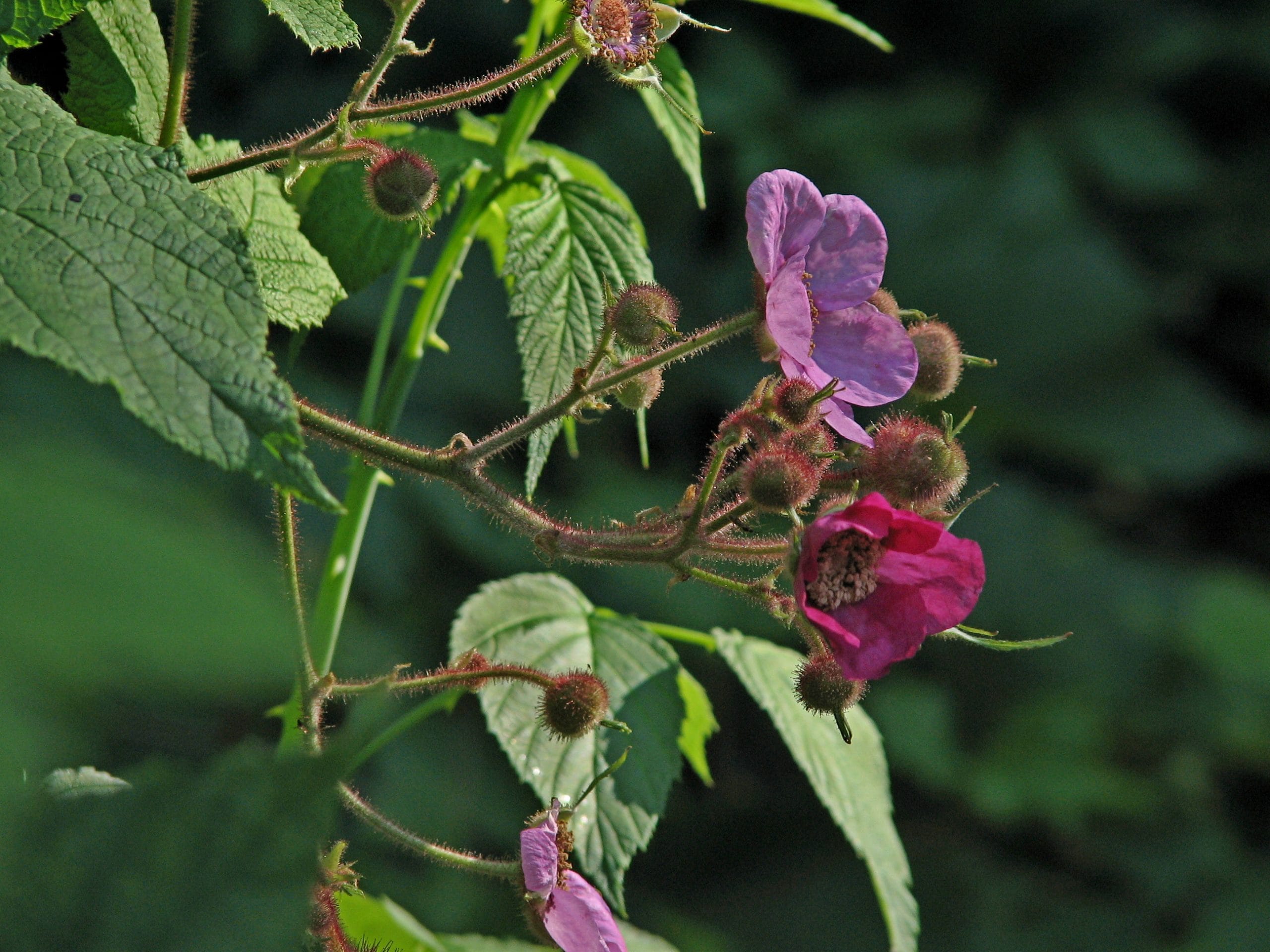
With more than 1,696 species of plants, Niagara’s flora is among the most diverse in Canada. This richness reflects the region’s southern location and its remarkable variety of habitats — including escarpments, gorges, dunes, alvars, sand and clay plains, peatlands, and Great Lakes shorelines
Photo Credit: Win Laar
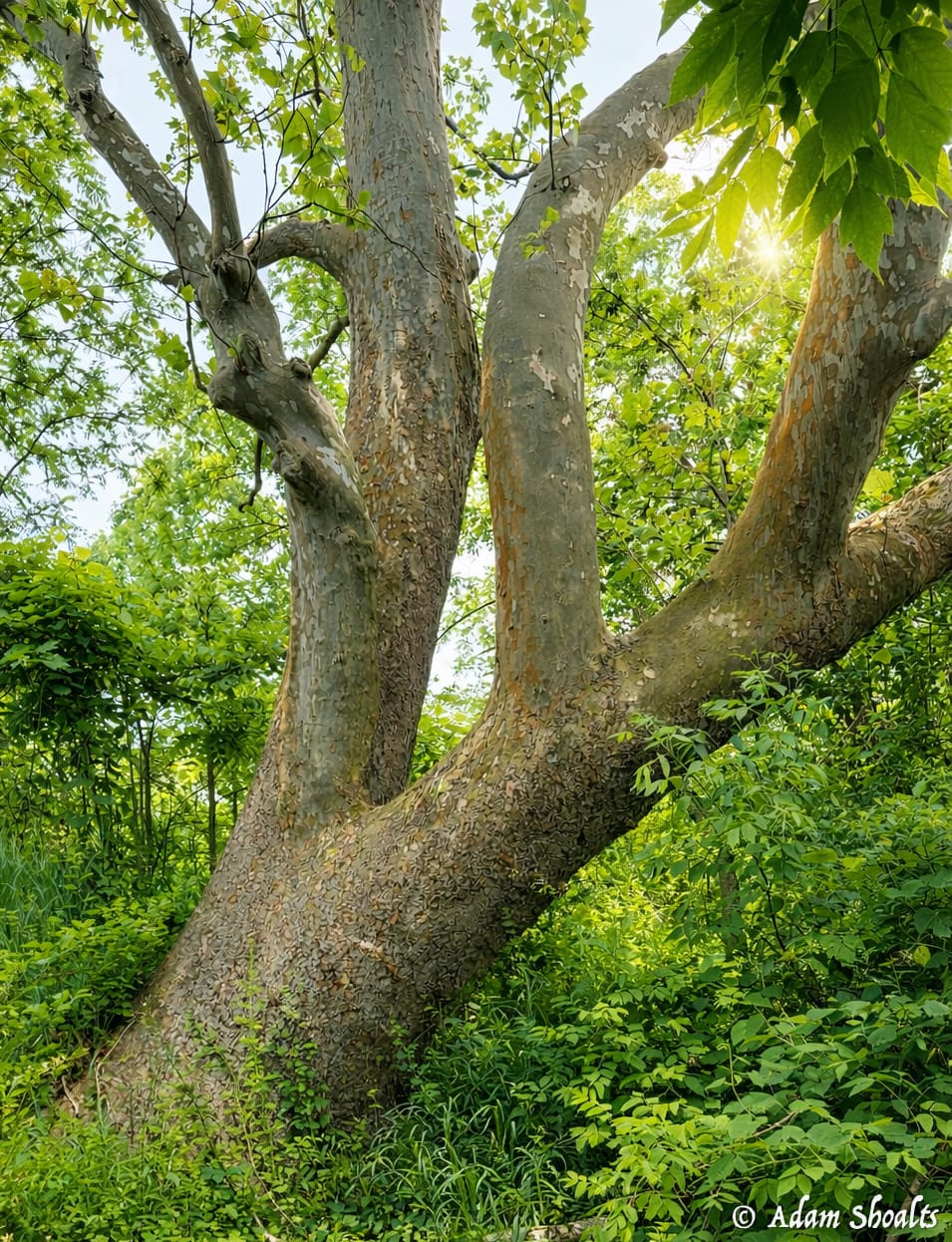
Niagara is home to extraordinary living history, including a ~600-year-old Black Gum tree, likely the oldest living deciduous tree in Canada, along with some of the oldest white cedar trees along the Niagara Escarpment.